Polyvinyl Chloride

CAS No.: 9002-86-2
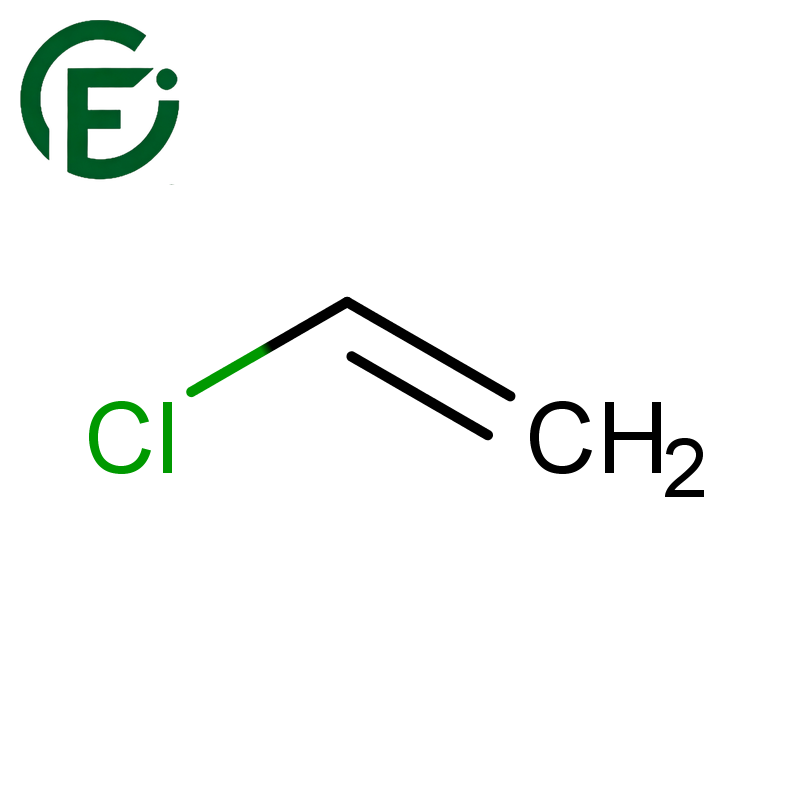
Molecular Formula: (C2H3Cl)x
Molecular Weight: 62.5
Phone :+86 18888888889
WhatsApp :+86 18888888889
Email :admin@gmail.com
Send Inquiry →

product description

Polyvinyl chloride (PVC) is a widely used synthetic thermoplastic polymer. It is the world's third-most-produced plastic, valued for its high durability, chemical resistance, low cost, and versatility.


PropertyValue
Melting point170-195 °C (decomp)
Boiling point0.100 °C
Density1.4 g/mL at 25 °C (lit.)
Tg85
Refractive indexn 1.54
Flash point736
Storage condition2-8°C
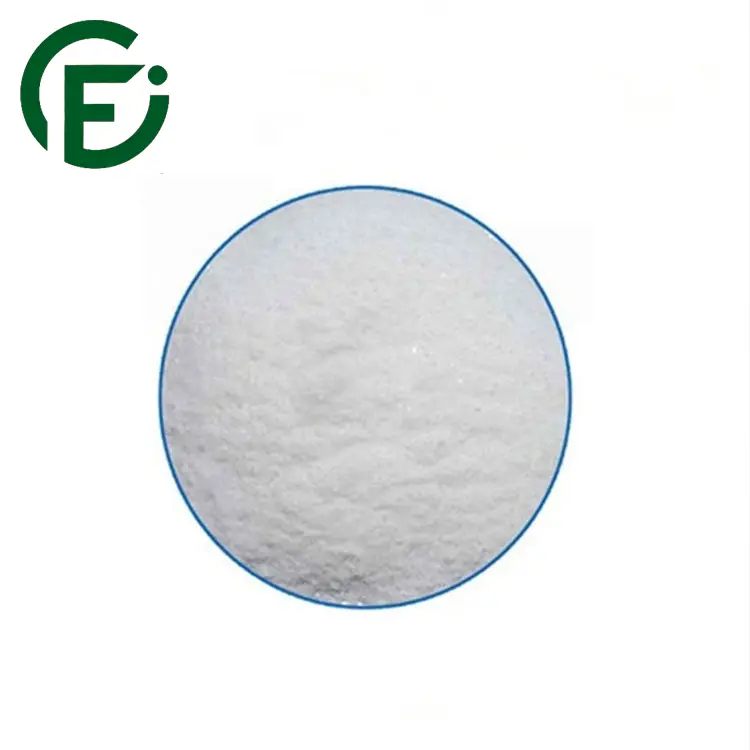
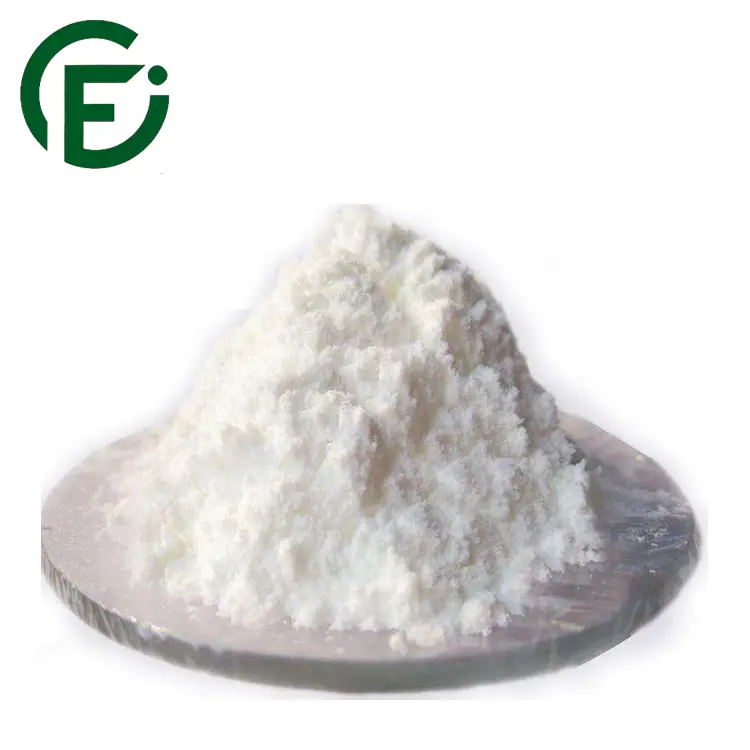
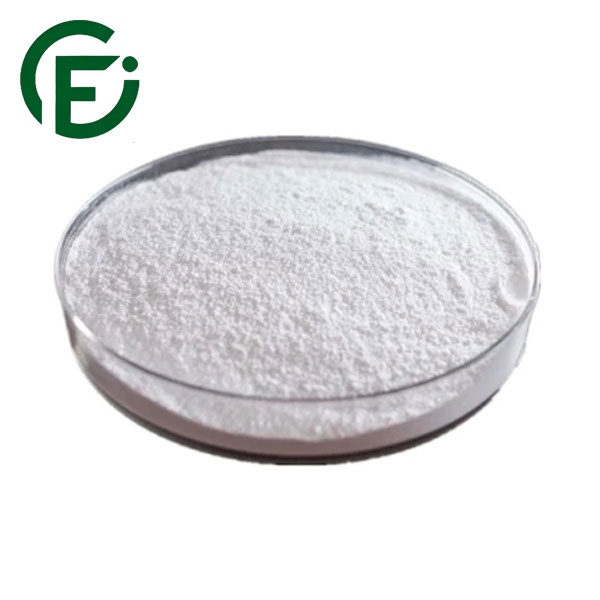
FormPowder
ColorWhite to off-white
Specific gravity1.385
Dielectric constant3.4 (Ambient)
StabilityStable. Flammable. Incompatible with strong oxidizing agents.
Cosmetic ingredient functionFILM FORMING
InChIInChI=1S/C2H3Cl/c1-2-3/h2H,1H2
InChIKeyBZHJMEDXRYGGRV-UHFFFAOYSA-N
SMILESC=CCl
Surface tension41.5 mN/m at 20°C
CAS Database9002-86-2 (CAS DataBase Reference)
IARC Carcinogen Classification3 (Vol. 19, Sup 7) 1987
NIST Chemical Informationpoly(vinyl chloride) (9002-86-2)
EPA Chemical InformationPolyvinyl chloride (9002-86-2)

Overview

Polyvinyl chloride (PVC) is the world’s second most widely used general‑purpose resin.As early as 1835, the French chemist Regnault discovered that vinyl chloride polymerizes into a white solid under sunlight. In 1914, chemists in Germany and the United States found that organic peroxides could accelerate the polymerization of vinyl chloride. In 1931, Germany’s IG Farben industrialized the production of polyvinyl chloride using emulsion polymerization.
Emulsion polymerization involves dispersing vinyl chloride monomer uniformly in water with sodium alkyl sulfonate (a surfactant) as emulsifier to form an emulsion. Potassium persulfate or ammonium persulfate is then used as initiator to polymerize vinyl chloride into polyvinyl chloride.
A real breakthrough in PVC applications came in 1933. The American chemist Simon heated poorly utilized PVC powder with a high‑boiling solvent and tricresyl phosphate. Upon cooling, he unexpectedly obtained soft, easily processable, elastic polyvinyl chloride, in which tricresyl phosphate acted as a plasticizer. This opened the door to the widespread use of PVC.

In 1936, Union Carbide developed suspension polymerization technology for vinyl chloride, simplifying the production process compared with emulsion polymerization, lowering energy consumption and reducing costs. Today, about 80% of PVC is produced by suspension polymerization: under stirring and with water as dispersant, vinyl chloride monomer is dispersed into droplets suspended in water. Polymerization occurs within the droplets, using initiators such as dicyclohexyl peroxydicarbonate and azobisisobutyronitrile.


Physicochemical Properties

PVC is one of the earliest industrialized plastics and currently ranks second in production volume after polyethylene. It is widely used in industry, agriculture and daily life.
PVC is a polymer formed by the polymerization of vinyl chloride monomer. It is thermoplastic, appearing as a white or pale yellow powder.
  • Relative density: 1.35–1.40
  • Chlorine content: 56%–58%
  • Melting point: approximately 70–85 ℃
It is soluble or swellable in ketones, esters, tetrahydrofuran and chlorinated hydrocarbons. It has excellent chemical resistance, but poor thermal stability and light resistance. Above 100 ℃ or under prolonged sunlight exposure, it begins to decompose and release hydrogen chloride, requiring stabilizers during plastic processing. It has excellent electrical insulation and is non‑flammable.
PVC is used in plastics, coatings and synthetic fibers. Depending on the amount of plasticizer added, it can be made into flexible or rigid products:
  • Flexible PVC: transparent films (raincoats, tablecloths, packaging, agricultural films), artificial leather, foamed plastics, wire insulation, etc.
  • Rigid PVC: sheets, pipes, valves, doors and windows, etc.
Suspension polymerization yields powdered resin, while emulsion polymerization yields paste resin. Both can be used to produce flexible or rigid plastics.

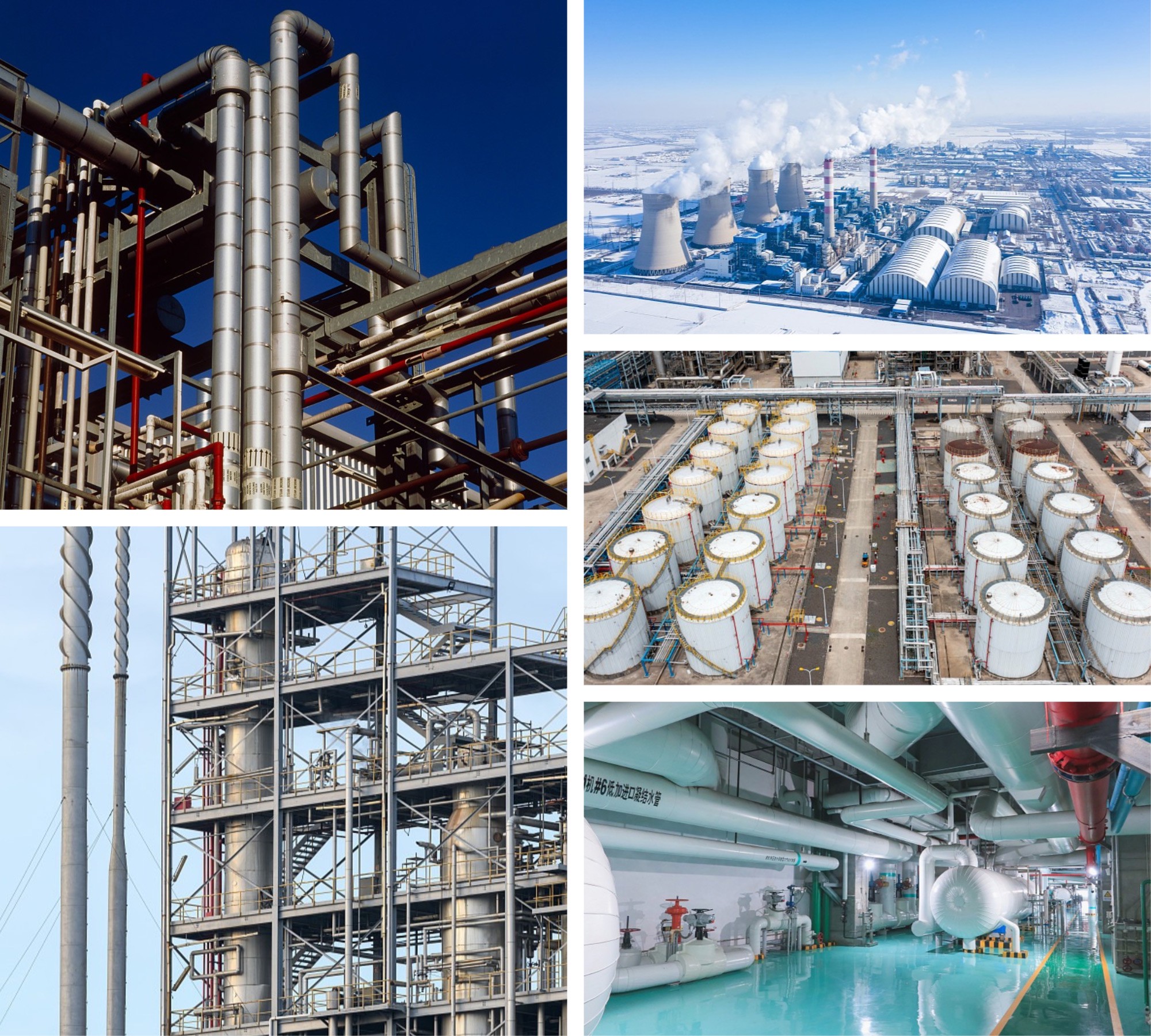
Factory Showcase

拼图_美图设计室-(1)

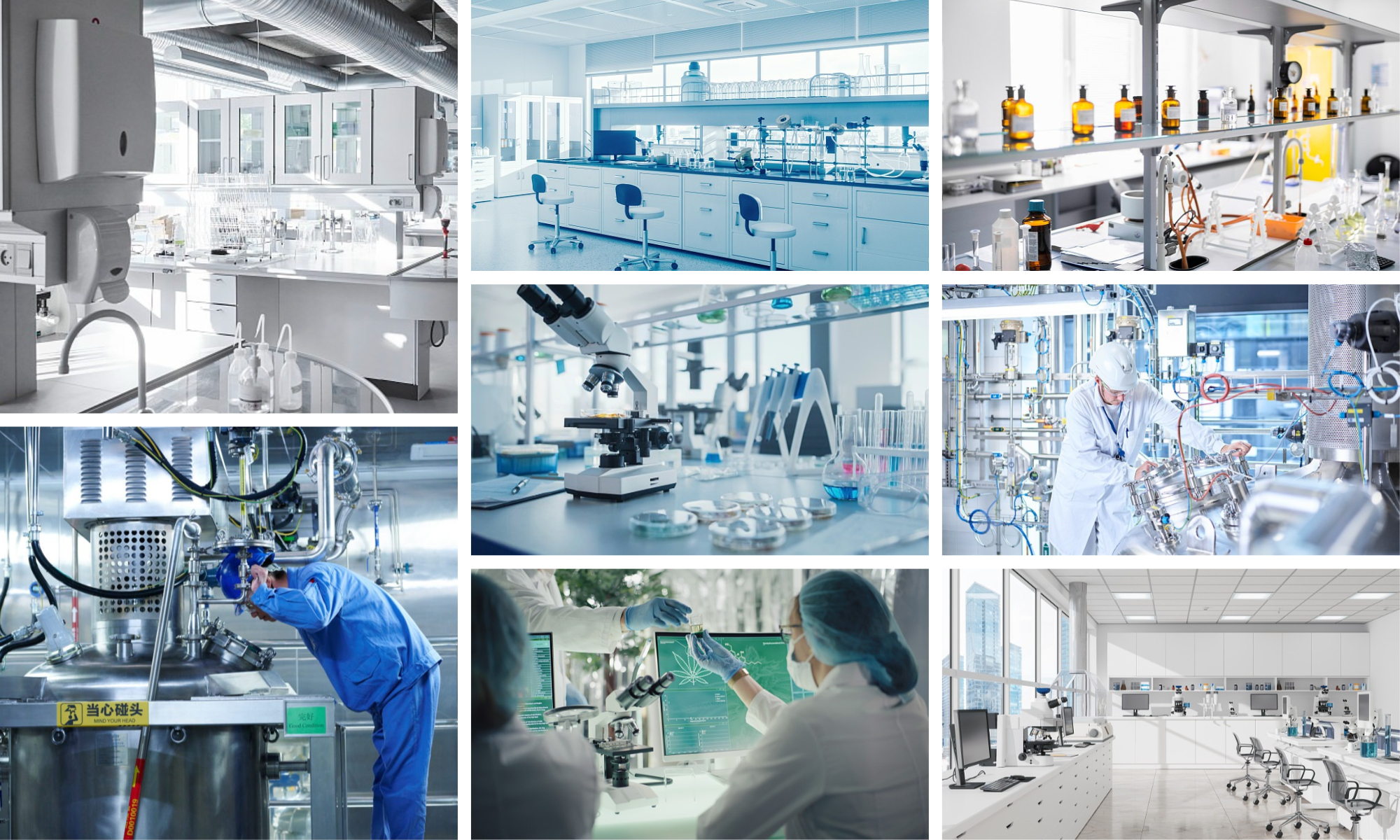
Quality Control Lab

实验室

Shipping And Transportation

Delivery Time

Inventory 2-3 working days New manufacturing 7-10 working days

Mode of Transportation
1. By Air, fast but expensive.
2. By Sea, usual and economy.
3. By Train, suit for middle Asia countries.
4. By Express, suit for small package.
We only provide highest quality goods available, accompanied by after support!
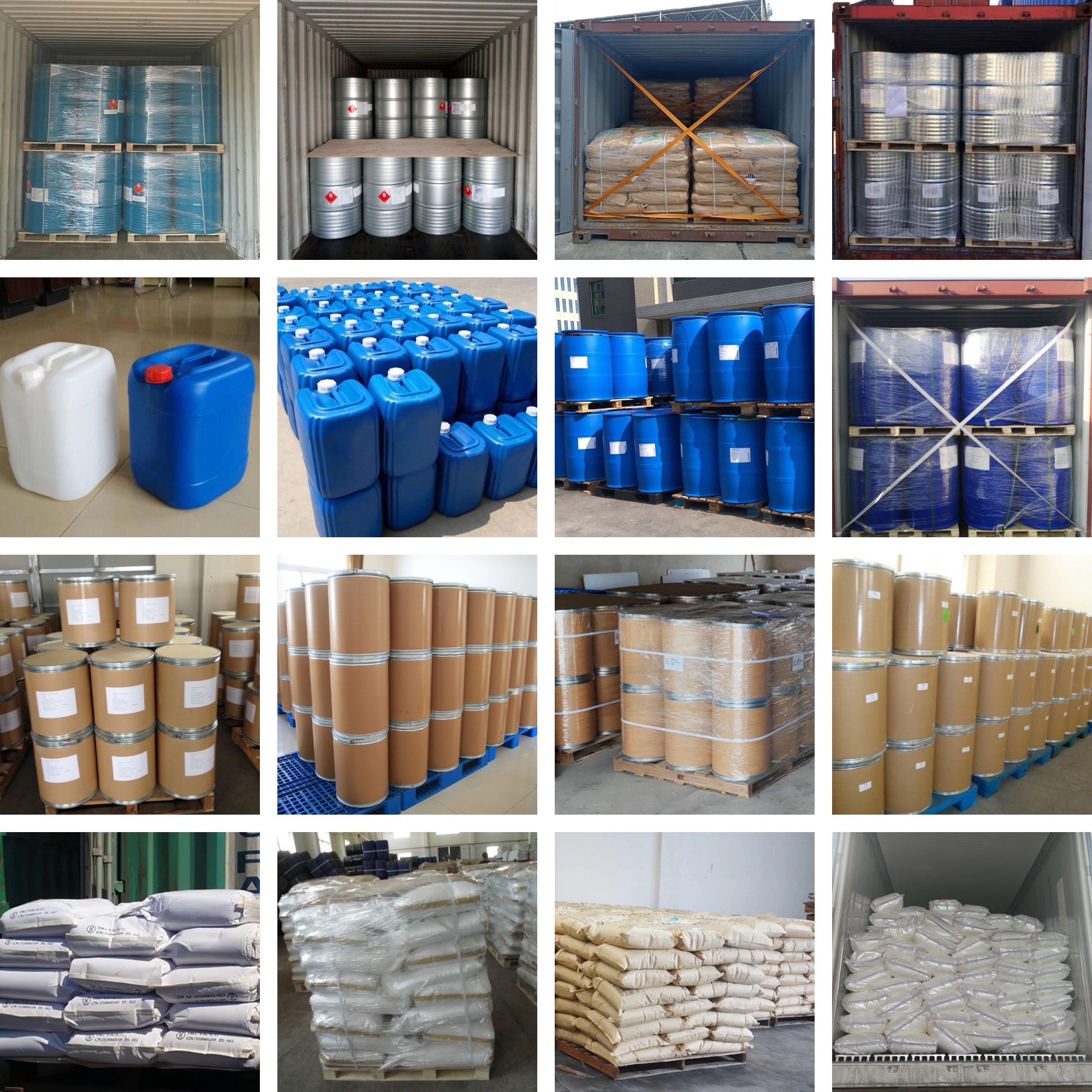
拼图_美图设计室

FAQ

Q1: What international standards do your products and services comply with?

A1: Our products fully comply with international standards such as REACH, MSDS, and COA, and we strictly implement the ISO9001 quality management system. We can also provide third-party testing reports (SGS, BV, etc.) according to customer needs.


Q2: How long does it take for goods to be delivered to my country?
A2: The delivery time depends on the transport mode and destination country. Generally, sea transport takes 15-30 days, air transport takes 3-7 days, and we will optimize the transport route to shorten the delivery time as much as possible.


Can you provide customs clearance services for dangerous chemicals?
A3: Yes. Our team is proficient in the customs clearance procedures for dangerous chemicals in various countries, and can provide professional compliant declaration and customs clearance services to ensure smooth customs clearance.


Q4: Do you provide customized product and service solutions?
A4: Yes. We can provide personalized product customization and export service solutions according to your specific needs (product specifications, application scenarios, procurement volume, etc.).

Contact Us

Submit

Recommendation